
Real Estate
Rolling Chapters brings its mobile bookstore to a permanent home in the east metro
By Marcus Chen
Advertisement · Why this ad?
Marcus manages the day-to-day editorial workflow across all brands, coordinating coverage assignments and ensuring editorial standards are met. He previously served as city editor at the Pioneer Press and holds a degree in Political Science from Carleton College.
More from Marcus →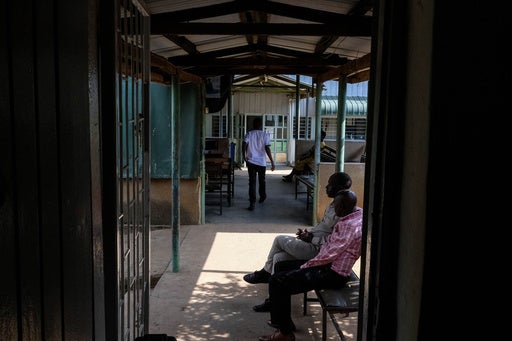
In the bustling streets of Mbarara, Uganda, a sex worker named Lisa Mutoni stands resolute, insisting on using condoms with her clients to protect herself from HIV. Yet, in a cruel twist, some men attempt to tear or remove the condom during intercourse, leaving her vulnerable. Mutoni relies on daily HIV-prevention medication known as PrEP, but she dreams of a new drug, lenacapavir, that could offer her a safer, more reliable option. With just two injections a year, she could feel secure in her health and her livelihood. However, access to this groundbreaking treatment remains a significant hurdle.
Lenacapavir, developed by Gilead Sciences, has shown promise in clinical trials, offering nearly complete protection from HIV. However, the rollout of this drug has been painfully slow. In Mbarara, where approximately 10% of the adult population is living with HIV—double the national average—the demand for lenacapavir far exceeds its supply. Patients like Mutoni often find themselves told that the drug is out of stock when they seek it.
“They tell me that it is finished,” Mutoni lamented, reflecting the frustrations faced by many in her community. The urgency for lenacapavir is echoed by health experts, who stress that its long-lasting effects could potentially turn the tide in the global fight against HIV.
Andrew Hill, a senior visiting research fellow at the University of Liverpool, emphasized the need for rapid distribution, stating, “The rate of growth isn’t fast enough. We need to be getting to the millions pretty soon.”
The implications of lenacapavir’s scarcity extend beyond individual health; they affect entire communities. Julius Bampe, a polygamous man in Mbarara, faced a personal crisis when his younger wife tested positive for HIV. While she received immediate treatment, Bampe sought lenacapavir, only to find it unavailable. “When I got here, they said that is what they would have given me, but they said they didn’t have enough doses for everyone,” he recounted.
The facility where Bampe sought treatment had received only 40 doses, initially reserved for pregnant women at risk. After a change in guidelines, couples and high-risk individuals were included, but even then, the doses were quickly exhausted. Tarsisio Biryeija, a nursing officer at Mbarara Health Centre IV, confirmed that the demand for lenacapavir is overwhelming compared to the limited supply.
Despite Uganda's significant reductions in HIV rates over the past three decades, the country still struggles with high infection rates driven by transactional sex. Mbarara, known for its sex tourism, is particularly affected. Health authorities recognize that lenacapavir could be a game-changer in preventing new infections among high-risk populations.
Organizations like Action for Improved Health and Wealth, founded by Immaculate Nyamwija, provide essential support services to women in Mbarara, including counseling and access to condoms. Nyamwija highlighted the challenges of securing lenacapavir, stating, “It is a challenge, because the demand is high and the doses are few.” She expressed frustration that many women would prefer a long-lasting solution over daily pills.
The situation in Mbarara is emblematic of a larger crisis faced by many communities in Uganda and across Africa. While the country has made strides in combating HIV, the persistent stigma surrounding the disease and the populations most affected—such as sex workers and men who have sex with men—complicate efforts to provide equitable healthcare. The lack of access to lenacapavir not only jeopardizes individual health but also places immense strain on the healthcare system, which is already grappling with limited resources.
Furthermore, the socioeconomic factors at play cannot be ignored. Many individuals in Mbarara, including Mutoni and Bampe, live in poverty, making it difficult to prioritize healthcare amidst daily survival challenges. The availability of lenacapavir could significantly alleviate this burden, allowing individuals to focus on their livelihoods without the constant fear of HIV infection.
Recent developments may provide a glimmer of hope. The U.S. Food and Drug Administration has tentatively approved a generic version of lenacapavir, which could significantly reduce costs and increase availability. This generic version is expected to be priced at approximately $40 annually, a stark contrast to the U.S. list price of $28,218.
The Global Fund aims to distribute lenacapavir to 3 million individuals in low-income countries by the end of 2028. While this is a step in the right direction, organizations like Doctors Without Borders (MSF) argue that the current plans fall short. “Gilead says it wants to end the HIV epidemic ‘for everyone, everywhere,’ but its actions say otherwise,” stated Melissa Barber, an MSF global health advocacy adviser.
As the rollout of lenacapavir continues to lag, the urgency for immediate action is palpable. Patients in Mbarara and beyond are left with inferior options while waiting for a drug that could change their lives. The need for comprehensive strategies to ensure equitable access to lenacapavir is critical. Health advocates are calling for Gilead to prioritize the production and distribution of lenacapavir to reach more countries and populations in need.
The situation in Mbarara is a microcosm of a larger global challenge. While lenacapavir holds tremendous potential, its availability remains uncertain. The community's reliance on this drug underscores the broader implications of health disparities and the need for systemic change in how medications are distributed. As stakeholders work to address these issues, the stories of individuals like Lisa Mutoni and Julius Bampe serve as powerful reminders of the human cost of inaction.
In the coming months, as the generic version of lenacapavir becomes available, the hope is that more individuals will gain access to this life-saving treatment. The fight against HIV is far from over, but with concerted efforts and a commitment to equity, a new chapter in this battle could soon begin.
Local health workers and community leaders emphasize the importance of not only making lenacapavir available but also ensuring that education and support systems are in place to help individuals understand and access the treatment effectively. Community health workers play a vital role in this process, providing outreach and education to high-risk populations about HIV prevention and treatment options.
For example, health initiatives that include peer education programs have proven effective in Mbarara. These programs empower individuals to share knowledge and resources within their communities, fostering a culture of support and understanding around HIV. Nyamwija’s organization is at the forefront of these efforts, offering workshops and information sessions that demystify HIV and promote safe practices.
Moreover, the local government has been urged to increase funding for HIV prevention programs and support the distribution of lenacapavir. Advocacy groups are working tirelessly to ensure that the voices of those affected by HIV are heard in policy discussions, pushing for changes that will prioritize access to treatment and care.
As Mbarara looks to the future, the community's resilience and determination to combat HIV will be crucial. With the right support, education, and access to innovative treatments like lenacapavir, there is hope for a healthier future for all.
By Marcus Chen

By Katherine Langford

By Marcus Chen

By Katherine Langford